
























.jpg)


The past few years have been harsh for bricks and mortar retailers.
From high -end sections stores to fast fashion outlets, companies in each of the retail categories closed stores and in some cases closed their doors completely.
💵💰Do not miss this step: Subscribe to the free daily newsletter of Thestreeet 💰💵
For decades, the shopping was the same experience to a large extent – whether we needed groceries, home commodities or lip gloss, we jumped in the car, or on a train or bus, and went to the mall or the main street.
Then we met the Internet.
It looked like one week we were excited because we could buy books on Amazon or shoes on Zapos and then in practice, it was possible to buy everything else around the clock throughout the week.
Then came the Covid-19 pandemic and turned many of us online shoppers from time to time into the contestants.
Although it still explains a small part of the total retail sales – about 16 %, according to the latest data of the US Department of Commerce – the online retail continues to grow year after year. Online shopping is expected to represent 29 % of retail sales by 2029.
The Amazon changed the game
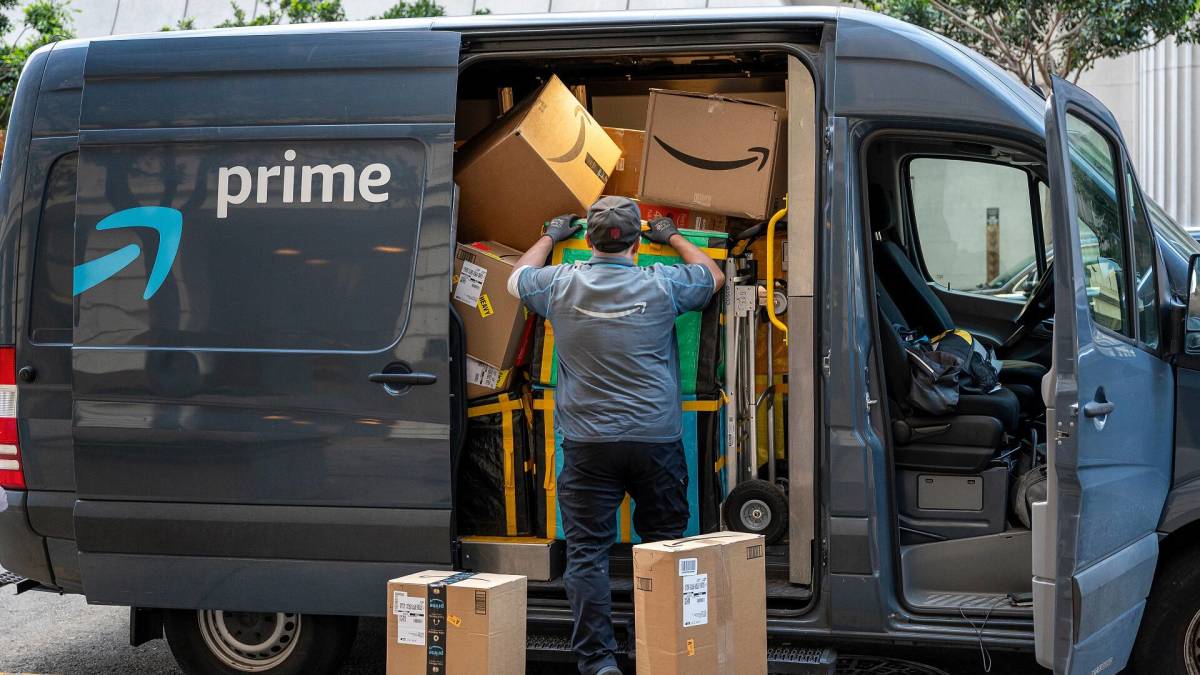
No company has benefited more than Amazon. During the epidemic, Amazon’s profits doubled three times and sales increased by 37 %. In the years after this, a lawsuit against the company was filed by the Federal Trade Committee, which claimed that the company “monopoly” was involved in anti -competition practices.
Nearly 40 % of online sales are Amazon. The coming in the second is walmart, followed by a handful of others like Target and Apple.
Related: One fact of the Costco Return Policy
Remember the concept of late gravity? Getting something in your hands “Now” has always been one of the best shopping parts in real life, but in the past two years, shipping has become so effective that immediate gratification hardly caused to go to the mall.
But what happens when the retail treatment becomes a divisional for sale?
Customers are looking for more specialized experiences
More than three of every four consumers say that e -commerce is functional but not fun, according to CRITEO, a commercial media company.
CRITEO has made a partnership with Harvard PR research and research on the market to explore 6000 consumers and 600 brand leaders in six markets: the United Kingdom, the United States, France, Germany, Japan and South Korea.
More on retail:
- Close the Wall Mart store, auctional auction and flat screen TVs
- The CEO of Home Depot appears to be a growing problem
- Files famous for a division of 11 bankruptcy
Statistics that the Amazon Wall Mart must pay attention to:
- 76 % of the respondents said online shopping lacks excitement
- 29 % describe it as a “job work”
- 78 % said they are tired by many product options
Meanwhile, bricks and shells are lured by customers on their sites Purchase storesCreative cooperation, and Personal experiences.
If they hope to win the loyalty of shoppers, then online retailers must create more emotional experiences.
Related: Nordstrom enables change anger anger
About 36 % of people who participated in a CRITEO survey said online shopping lacks “exciting unexpected discoveries” that can occur personally.
Marc Fishley, CEO of CRITEO, said that shopping was related to excitement and “raising what was unexpected, the joy of discovery.” “Today, we are no longer” we go shopping ” – we are always shopping – but this did not make the experience more exciting.”
Fischli believes that artificial intelligence can play a role in making online shopping more tempting and showing things for shoppers who have not necessarily searched for.
Related: The Veteran Fund Director reveals the prediction of the S&P 500
